May 11, 2026
The landscape of modern event planning and construction site management has undergone a significant transformation over the last decade. What once felt like a logistical afterthought has now become a cornerstone of guest comfort and operational efficiency. When organizers sit down to map out the blueprint of a successful outdoor gathering, they often focus on the lighting, the catering, or the entertainment. However, the most fundamental human needs must be addressed with equal precision to ensure that the experience remains positive from start to finish.
Selecting the appropriate equipment requires a deep dive into the specific requirements of the location and the expected demographic. It is no longer sufficient to provide a one size fits all solution. Instead, planners must consider the duration of the event, the presence of food and beverages, and the accessibility needs of all participants. By taking a proactive approach to sanitation, organizers can prevent the common pitfalls of long lines and unsanitary conditions that often plague poorly managed sites.
1. Assessing Your Specific Capacity Requirements
Determining the exact number of units needed for a project is the most critical phase of the planning process. Overestimating can lead to unnecessary costs, while underestimating can result in a logistical nightmare that ruins the reputation of an event. The calculation must account for the peak hours of attendance when the demand on facilities is at its highest. According to Medium, for events up to four hours long, one portable toilet is recommended per every 50 guests. This baseline helps planners establish a starting point, but other factors such as the consumption of liquids can increase the frequency of use.
For instance, events featuring craft beer gardens or extensive catering services typically require a higher ratio of units to ensure that lines remain manageable. Beyond the sheer numbers, the placement of these units plays a role in how they are utilized. Spreading facilities across a large area prevents bottlenecks and ensures that a unit is always within a reasonable walking distance. For construction sites, the calculation is often dictated by labor regulations, ensuring that workers have consistent access to clean facilities throughout their shift. This focus on capacity ensures that the basic needs of the population are met without delay or discomfort.
2. Enhancing The Overall User Experience
The perception of outdoor sanitation has changed as technology and design have evolved. Modern units are designed with ventilation systems that significantly reduce odors and improve the internal atmosphere. When a guest enters a well maintained portable toilet, their impression of the entire event is often influenced by the cleanliness and features available inside. High quality units now include amenities such as hands free flushing mechanisms, integrated sinks, and mirrors. These small additions transform a basic utility into a convenient station that mirrors the experience of an indoor restroom.
Lighting is another crucial factor, especially for events that continue into the evening hours. Solar powered LEDs can provide a safe and welcoming environment without the need for external power sources. By focusing on these experiential details, organizers demonstrate a commitment to the well-being of their visitors. This attention to detail extends to the supplies provided within each unit, such as high quality paper products and premium hand sanitizers. When every aspect of the facility is curated for comfort, the overall satisfaction of the crowd increases, leading to better reviews and higher return rates for future editions of the event.
3. Navigating Logistics And Strategic Placement
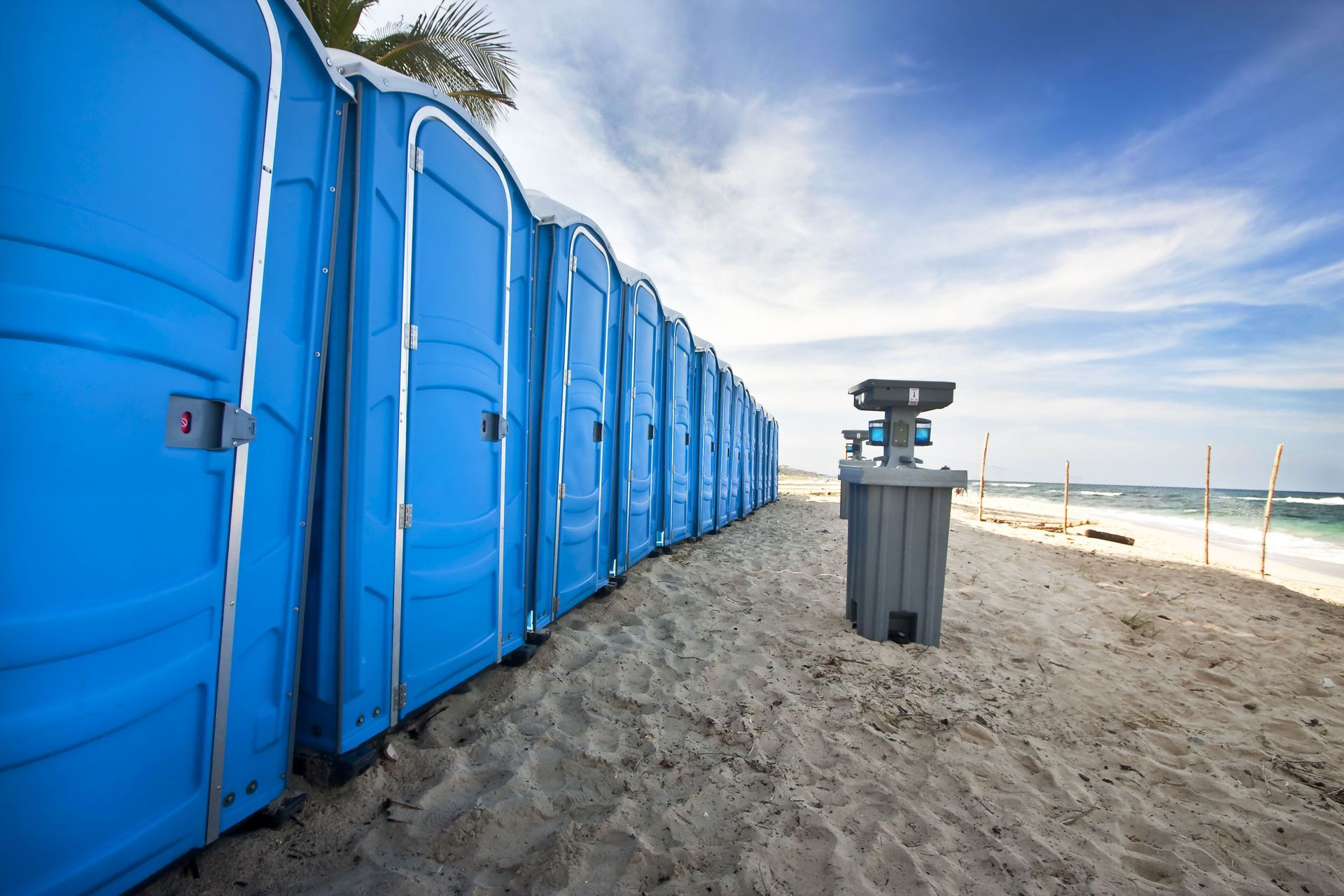
Transporting and positioning sanitation units requires a strategic eye and an understanding of the physical layout of the land. A portable toilet must be placed on level ground to ensure stability and proper door function. If the surface is uneven, it can lead to safety hazards or mechanical issues with the unit itself. Planners must also consider the accessibility for service vehicles that need to reach the units for cleaning and maintenance. Placing facilities in a remote corner might seem aesthetically pleasing, but if the pump truck cannot reach them, the units will quickly become unusable.
High traffic areas such as near the entrance, the food court, or the main stage are logical choices for placement, but they must be positioned in a way that does not obstruct the flow of movement. Using signage to direct guests to less crowded stations can also help balance the load across all available facilities. In urban settings, placement might be restricted by sidewalk permits or building codes, requiring a collaborative approach with local authorities. By mastering the logistics of delivery and placement, organizers ensure that the infrastructure remains invisible yet perfectly functional throughout the duration of the project or celebration.
4. Maintaining Hygiene Through Regular Servicing
The longevity of a positive user experience depends entirely on the consistency of the maintenance schedule. Even the best equipment will fail to impress if it is not kept in pristine condition. For multi day festivals or long term construction projects, a portable toilet needs a dedicated service plan that includes pumping, sanitizing, and restocking supplies. This process involves the use of specialized biodegradable chemicals that break down waste and neutralize odors effectively.
Professional technicians play a vital role in this cycle, performing deep cleans that ensure every surface is free of bacteria and debris. Monitoring the units during the event is also a best practice, as it allows for immediate intervention if a specific station experiences an unexpected issue. Keeping a log of service times helps project managers stay organized and provides a record of compliance with health and safety standards. Cleanliness is the most visible indicator of the quality of management, and it serves as a silent ambassador for the brand hosting the event. When hygiene is treated as a top priority, it fosters a sense of safety and respect among the users, contributing to a professional and polished atmosphere.
5. Prioritizing Accessibility And Inclusive Design
Inclusive planning is a hallmark of a modern and responsible organization. It is essential to provide facilities that cater to individuals with varying levels of mobility. An accessible portable toilet offers a much larger interior space, allowing for the easy maneuverability of wheelchairs and providing support rails for those who need them. These units should be placed in locations that are easily reachable via flat, paved, or compacted paths. Beyond physical mobility, considering the needs of families is also important.
Some units can be equipped with baby changing stations, making the event more welcoming for parents with young children. Diversity in facility types ensures that no guest is excluded from participating fully in the festivities. Compliance with the Americans with Disabilities Act is not just a legal requirement but a moral one that reflects the values of the event organizers. By investing in inclusive infrastructure, companies show that they have considered the diverse needs of the entire community.
The success of any outdoor endeavor is built upon a foundation of thoughtful logistics and a commitment to quality. From the initial assessment of guest numbers to the final removal of equipment, every step in the sanitation process contributes to the overall narrative of the event. While it may not be the most glamorous aspect of planning, the management of onsite facilities is undoubtedly one of the most impactful. If you are ready to elevate the standard of your next project or gathering, look no further than the professional solutions provided by Seek A Seat. We specialize in delivering a top tier
portable toilet to any location, ensuring that your sanitation needs are handled with the highest level of professionalism and care.