November 11, 2026
Portable toilet rentals play a critical role across public events, heavy construction, and emergency disaster relief operations. The demand for these services continues to expand, making an understanding of underlying logistics essential for reliable deployment. Managing temporary sanitation requires balancing fleet availability, vehicle dispatching, regulatory compliance, and environmental safeguards. By analyzing supply chains, delivery routes, and unit configurations, site managers and event coordinators can avoid sanitation bottlenecks and maintain safe, hygienic facilities.
Historically, mobile facilities emerged during industrial expansions and wartime efforts where workforce mobility was paramount. Early models were basic wooden or metal boxes that presented severe cleaning and odor challenges. Over the decades, lightweight polyethylene plastics and specialized biocides transformed standard field cabins into resilient, hygienic systems. The modern sector has evolved into a sophisticated discipline capable of servicing everything from remote utility rights-of-way to black-tie galas, proving that dependable access to sanitation underpins modern infrastructure.
Market segmentation reflects specific user expectations and site parameters. Construction applications require rugged, high-capacity cabins capable of withstanding rough handling over several months. In contrast, festival organizers demand rapid cluster drop-offs and discreet servicing during high-traffic celebrations. According to Medium, for events that last up to four hours, one portable toilet per every 50 guests suffices. Applying accurate attendance ratios ensures that organizers secure enough portable toilet rentals to handle peak queue surges without overflowing holding tanks.
Regional dynamics also influence inventory allocation and mechanical specifications. Northern climates require winterizing solutions, including brine additives and non-freezing sanitizing mixtures, to prevent tank fluids from solidifying. Arid regions focus heavily on odor-control enzymes and enhanced roof ventilation to disperse heat buildup. Adapting maintenance methods to local weather patterns enables providers to deliver consistent service across diverse geographic territories.
Selecting the Proper Units for Field Applications
Deploying Standard Cabins
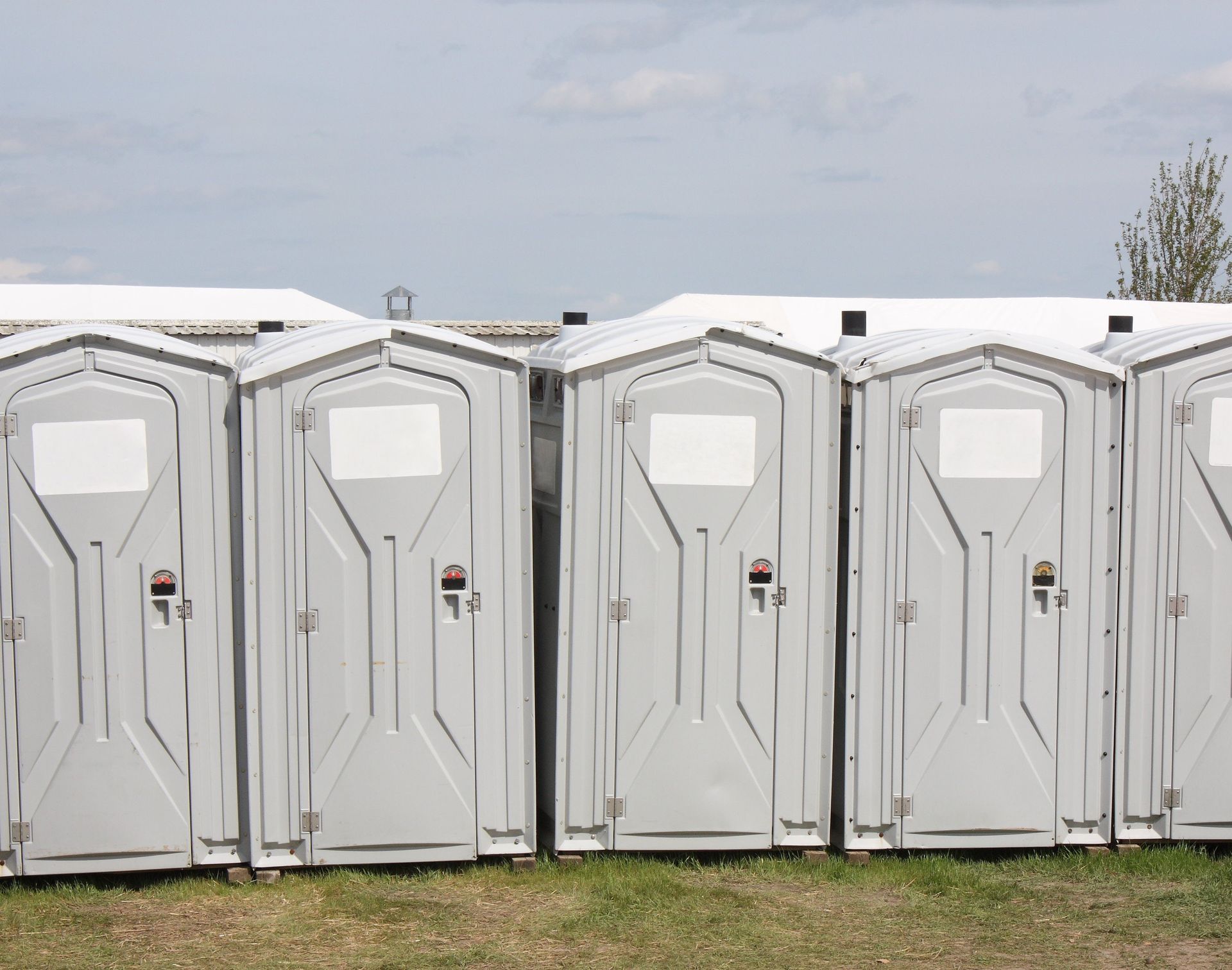
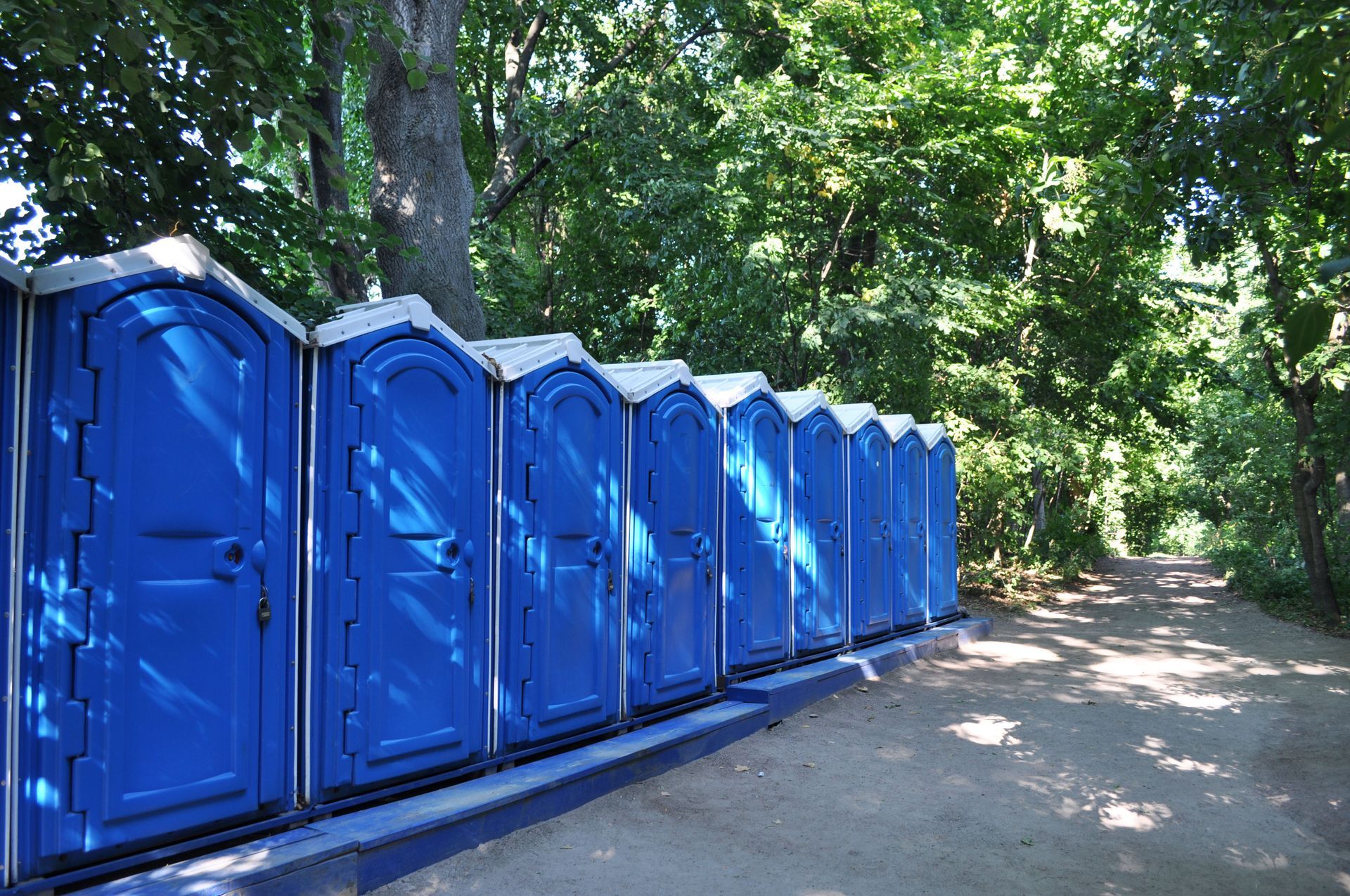
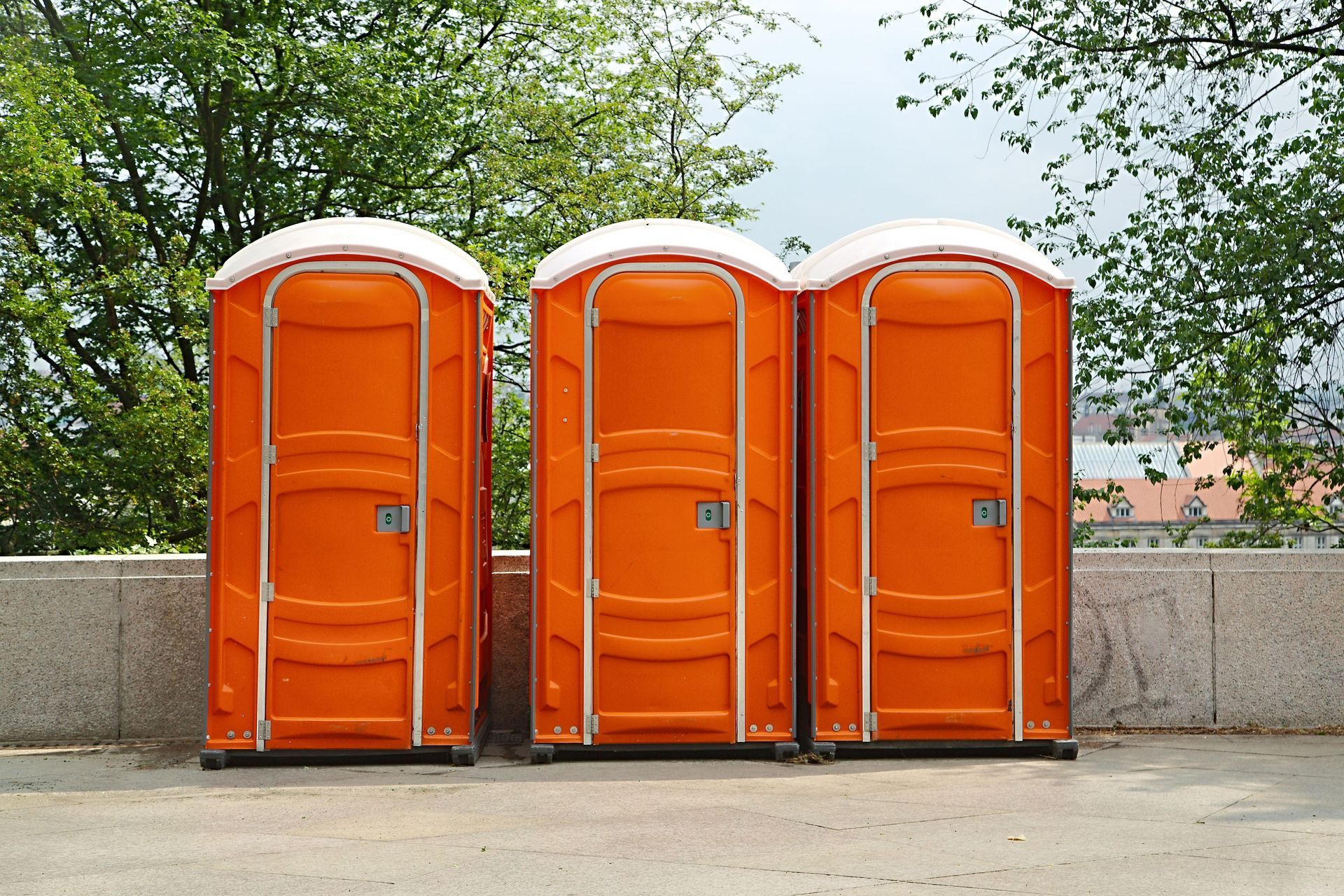
Standard standalone units form the backbone of the temporary sanitation fleet. Constructed from high-density polyethylene, these cabins resist chemical corrosion, impacts, and prolonged ultraviolet sun exposure. Their lightweight footprint allows two technicians to position them manually in tight staging corridors. When setting up industrial worksites, booking adequate portable toilet rentals guarantees regulatory compliance and protects daily labor productivity.
Inside standard cabins, interior fixtures emphasize durability and easy maintenance. Translucent roofs let in natural ambient light, while molded vent pipes draw air currents upward through holding tanks to clear interior odors. Deep-sump tanks isolate liquid effluent beneath chemical deodorizers, maintaining sanitary conditions between pump cycles. Simple designs combined with low rental rates make standard cabins the most cost-effective option for long-term projects.
Configuring Luxury Restroom Trailers
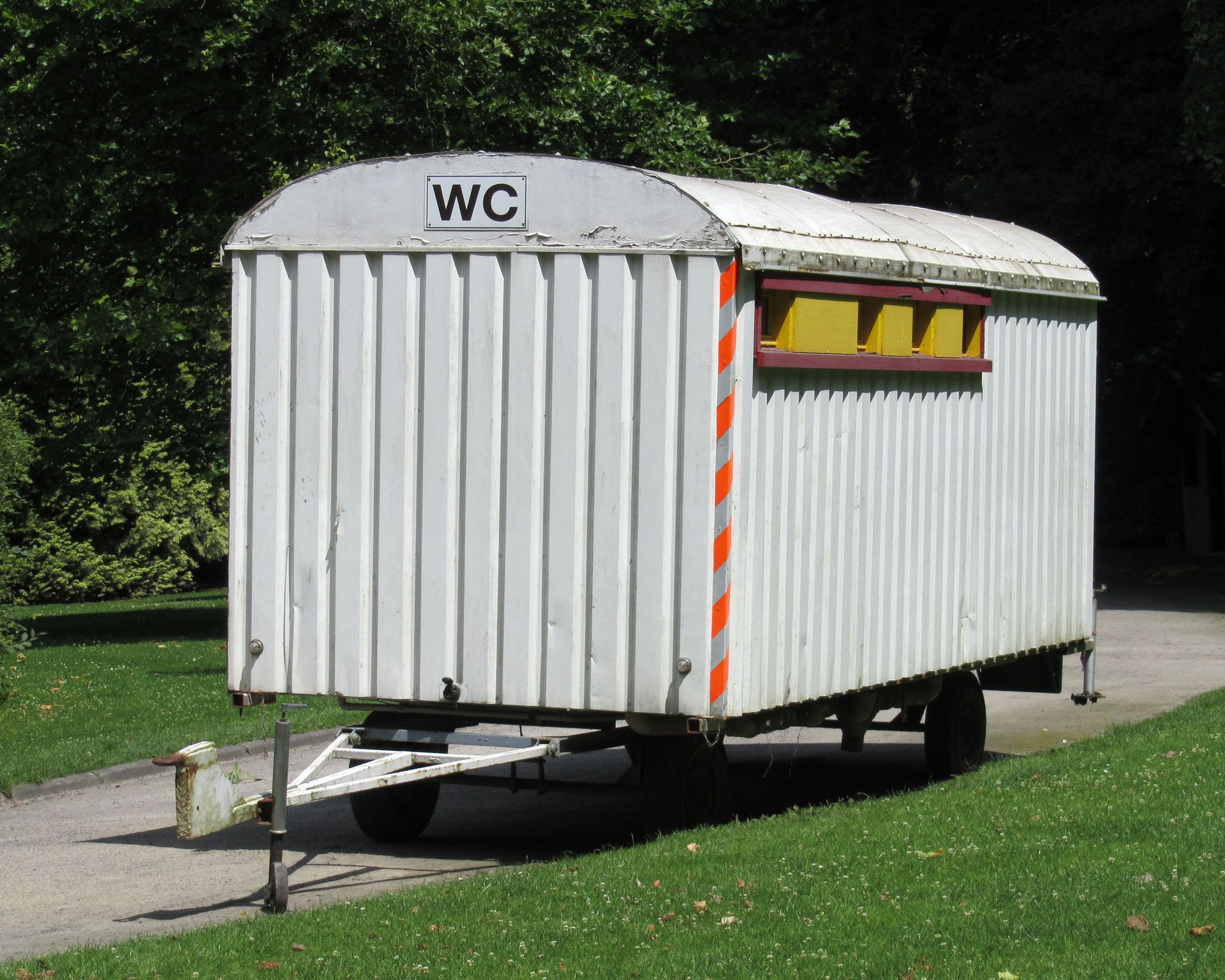
High-end corporate gatherings, weddings, and VIP hospitalities require elevated comfort beyond utilitarian field cabins. Restroom trailers feature private stalls, ceramic flush commodes, vessel sinks with running hot water, vanity mirrors, and automatic LED fixtures. Multi-zone climate control systems keep guests comfortable in extreme summer heat or cool autumn weather. Modern trailers present an aesthetic indistinguishable from brick-and-mortar commercial restrooms.
Integrating these luxury mobile suites involves detailed utility assessments prior to arrival. Trailers rely on dedicated 20-amp electrical circuits to power water heaters, water pumps, and air conditioning compressors. Water feeds require continuous municipal garden hose connections or large on-board freshwater storage bladders. Deploying luxury portable toilet rentals creates a comfortable hospitality environment that satisfies discerning event guests.
Meeting Inclusive Accessibility Standards
Public events and municipal sites must provide accessible facilities that comply with the Americans with Disabilities Act. ADA-compliant cabins offer flat, ground-level entry thresholds that allow wheelchair users to roll inside without traversing steep exterior ramps. Interior floor dimensions exceed a 60-inch turning radius, giving individuals ample clearance to maneuver mobility chairs and close doors without obstruction.
Interior accessories prioritize user safety, featuring heavy-gauge stainless steel grab bars anchored securely into reinforced wall ribs. Low-profile toilet seats, magnetic closure latches, and easy-reach hand sanitizer pumps support independent use. Strategically integrating accessible portable toilet rentals across festival grounds and job sites ensures dignity, safety, and full compliance with public accommodation mandates.
Adopting Sustainable Sanitation Designs
Growing ecological concerns have spurred the development of environmentally responsible temporary waste systems. Green units feature components molded from recycled marine plastics and post-consumer resins, shrinking the carbon footprint of manufacturing. Advanced micro-flush mechanisms and vacuum-assisted disposal lines drastically curb freshwater consumption compared to conventional gravity tanks. These systems allow organizers to maintain high sanitation standards while meeting environmental benchmarks.
Chemical processing has evolved alongside hardware improvements. Modern service fleets favor biodegradable enzymatic formulations over harsh formaldehyde treatments to neutralize bacteria and control odors. Enzymatic chemistry breaks down solids naturally, simplifying post-collection processing at municipal wastewater plants. Deploying sustainable portable toilet rentals aligns operational logistics with environmental conservation targets.
Managing the Daily Operational Workflow
Balancing Fleet Inventory and Asset Tracking
Efficient fleet operations require real-time visibility across all field assets and warehouse inventory. Service managers use barcoded serial plates, RFID tags, and GPS transponders to monitor unit status from assembly to retrieval. Software platforms catalog whether cabins are clean in storage, staged at an event, or overdue for sanitation pumping. Precise tracking avoids inventory shortfalls during peak spring and summer festival seasons.
Inventory control systems also monitor wear, tear, and structural fatigue. Cabin panels, door springs, vent screens, and skid footings undergo inspection each time units return from long deployments. Damaged panels undergo hot-air plastic welding or component replacement before returning to active inventory. Organized warehouse staging ensures trucks are loaded with clean, functional equipment for every dispatch run.
Organizing Route Transport and Drop Logistics
Coordinating delivery routes requires balancing vehicle payloads, axle weights, and tight client delivery windows. Flatbed crane trucks and tandem haul trailers carry stacked rows of cabins secured with heavy-duty ratcheting straps. Dispatchers map deliveries using commercial GPS systems to bypass low bridges, weight-restricted residential zones, and narrow alleys. Securing the necessary portable toilet rentals well ahead of major events guarantees that delivery drivers can drop equipment on schedule.
Once on site, drivers follow specific placement guidelines to keep logistics running smoothly. Technicians avoid positioning units in low-lying mud areas, steep inclines, or under tree limbs that might block vacuum truck boom arms. Proper placement requires firm, level ground within thirty feet of driveway or roadway access. Maintaining direct vehicle access ensures that service crews can perform mid-event cleanouts safely and efficiently.
Addressing Common Environmental and Site Hurdles
Preventing Spills and Soil Contamination
Field teams take deliberate precautions to prevent liquid sewage from contaminating surrounding topsoil and groundwater reserves. Vacuum systems utilize secondary shut-off traps, auto-closing check valves, and sealed vapor filters to eliminate leaks during tank extractions. Service crews keep absorbent containment booms, neutralizing powders, and spill response kits on their trucks to address any accidental drips immediately.
Placing containment trays beneath units stationed near sensitive shorelines, public parks, or agricultural fields adds an extra layer of protection. These heavy polymer pans catch incidental water runoff during exterior pressure washing. Responsible waste handling protects client property, preserves surrounding ecosystems, and maintains trust with local municipal conservation boards.
Securing Units Against Extreme Weather
High winds, violent thunderstorms, and coastal gales can tip unsecured portable cabins, creating serious biohazard spills and property damage. Operations crews anchor vulnerable exterior cabins using ground stakes, ratchet straps, and water-ballast anchor tanks. Grouping individual cabins back-to-back or within three-sided cluster configurations minimizes wind resistance across open fields.
Winter operations present distinct cold-weather challenges that require custom chemical mixtures. Technicians blend safe calcium chloride or rock salt brines into tank solutions, lowering the freezing point of holding fluids without damaging municipal treatment digesters. These proactive measures keep facilities usable throughout sub-freezing winter conditions.
Effective temporary sanitation management brings together market forecasting, disciplined route logistics, and thorough field servicing. Selecting the right equipment configurations and calculating proper user-to-toilet ratios keeps worksites running smoothly and event attendees comfortable. Dependable operations depend on durable hardware, rigorous hygiene routines, and strict environmental compliance. Partnering with an experienced vendor ensures seamless deliveries, timely cleanouts, and peace of mind for projects of any size. Call Seek A Seat today to learn more.